
Writing Deliberately About Nature
Months ago, as I mulled over my writing and its purpose, I realized I wanted to explore nature writing in a more deliberate way. I have written about nature for years in memoir, essays, and blog posts. For decades too, I studied and taught late eighteenth-century and early nineteenth-century British writers like Wordsworth, Byron and Ann Radcliffe, who explore nature in their work. Still, I asked myself, what does it mean to be a nature writer?
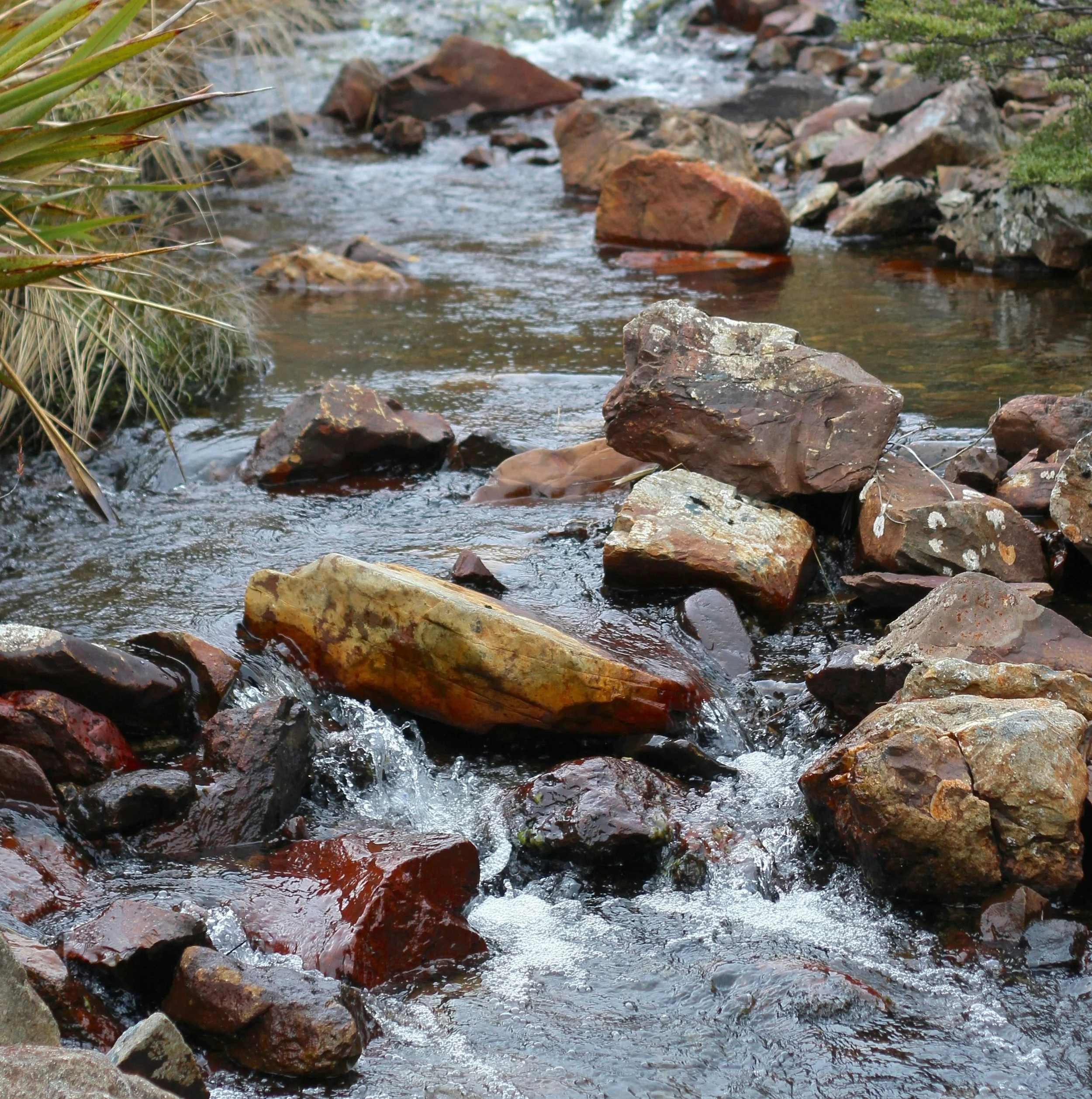
In my enthusiasm to find out, over the summer, I enrolled in a Nature Writing workshop with Richard Goodman through Maine Media, a course I found delightful in every way. Not only did I produce new writing, but I read essays and excerpts focusing on nature as subject. Some writers approached nature from an ecologic, historic, or geographic perspective. Others told the truth but told it slant, to rephrase Emily Dickinson. For example, in “The Death of the Moth,” Virginia Woolf describes a struggling creature and ponders the will to live despite impending death.
I next completed Megan Baxter’s course “Close to Home: Drawing Inspiration from Everyday Landscapes” through Craft Talks, where I experimented with forms and completed an essay I am still grappling with to discover its core message. This piece also encouraged me to consider what I most want to share with readers and why.
Recently, I enrolled in the Writing Nature workshop through the literary publication Granta. This course encourages me to generate inspiring and informative writing about the natural world while engaging with perceptions of nature in writing across centuries. As I reflect on writers who have shaped my understanding of nature as subject, teacher, and moral force, Wendell Berry and Annie Dillard feel especially important and present to me at this time.
Wendell Berry: A Voice for Nature, Farming, and Farmland
I am grieving Wendell Berry, who died August 31, 2026, at the age of 92, yet I celebrate his life and works. I don’t recall when I first heard of this remarkable poet, novelist, essayist, farmer, and nature/farm advocate but probably within the past decade as I researched writers sharing my interest in nature, farming, and rural communities. My heart leapt up (to borrow from Wordsworth) when I discovered Berry as someone I could admire and try to emulate. I am drawn to his engagement with nature, agrarian life, and local farms that sustain families and wildlife, and I admire his advocacy for the core values of farming endangered by a loss of respect for nature and agrarian life.
I say “try to emulate” because Berry was a prolific writer whose words flowed like springs untouched by drought. Instead, he is a mentor and guide, someone with whom I share concerns and values regarding the importance of the natural world and farmland.
In “The Future of Agriculture,” he states, “ Most of our popular worries—climate change, fossil fuel addiction, pollution, poverty, hunger, and the various forms of legitimized violence—are symptoms.” Symptoms of what, we might ask, and he answers this question in the essay’s opening: “The fundamental problem is world-destruction, caused by an irreconcilable contradiction between the natural world and the engineered world of industrialism.” Berry contends that the solution to the vast problem underlying destruction of nature falls on individuals and local communities that must commit to taking responsibility for sustainability of nature, farming, and our food. He uses his writing as lament, explanation, and call to action, conveying an urgency for engaging with the devastating loss of the natural world.
Berry has left a large body of work, and, in 2012, his daughter established The Berry Center in New Castle, Kentucky, with a mission of “advocating for farmers, land-conserving communities, and healthy regional economies.” The Berry Center Farm and Forest Institute also teaches farming methods and provides agrarian leadership. I am excited to plan a visit to learn more about the Center’s resources.
Annie Dillard: A Voice of the Wonders and Contradictions of Nature
Barely two weeks after Wendell Berry’s death, my grief intensified when I learned Annie Dillard died on September 15, 2026, at the age of 81. She is perhaps best known for Pilgrim at Tinker Creek (1974), a Pulitzer-Prize-winning book published when she was 28. Like Berry, she leaves a remarkable body of work, including poetry, novels, essays, a memoir (An American Childhood, 1987), and an autobiographical reflection on writing (The Writing Life, 1989).
Although nature lies at the heart of her writing, as The New York Times obituary states, “in spite of her patient, unflinching observations on flora and fauna, she wasn’t a nature writer, but rather a theologian looking high and low for God.” Like Thoreau, the subject of her master’s thesis, Dillard observes and documents nature, viewing the natural world as a mystery of creation. Some creatures act on instinct to destroy others without remorse. Nature is remarkable and miraculous yet destructive and violent, inspiring pleasure and nightmare. As late eighteenth-century and early nineteenth-century British writers might say, nature embodies the beautiful and the sublime, the latter being beyond the comprehension of our senses.
Two Voices, One Urgent Future
Although differing in agendas and key themes, both writers received the National Humanities Medal from President Barack Obama: Dillard in 2011 and Berry in 2014. Dillard’s writing establishes her as a voice of American nature, with its contradictions, while Berry’s writing is a voice for American nature. Perhaps their deaths will herald a reawakening of appreciation of nature, our natural resources, and sustainable farming in America. After all, we can’t observe or enjoy what no longer exists.
Our Own Voice for Nature
What about you? How has Berry, Dillard, or another nature writer impacted you? Perhaps you have observations, laments, or stories about species or places in need of intervention. Each of us can advocate for our greatest national treasure and resource, the natural world.
