
Earth Day and Thoreau: Celebrating Nature!
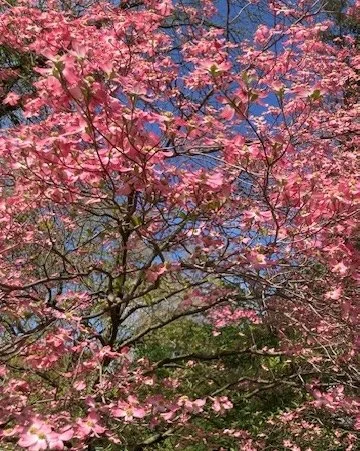
As spring bursts into full bloom, I am grateful for eyes to see, ears to hear, and a mind to consider. I have not yet walked the family farm this Spring, but I find solace in my back yard. I receive visits from squirrel neighbors scampering to and from their nests, mourning doves spreading their wings as they rest in the sun, red cardinals perching on a fence, songbirds singing with sweet voices at dawn, and bumble bees hovering and soaring outside my kitchen window, as if curious. Each visit seems like a gift and reminds me of what Thoreau knew so well: we are all part of a vast natural world.
A Tribute to Dogwood Trees
Just last week, the pink dogwood tree in my back yard adorned its bare limbs with gorgeous pink flowers. Although now in its peak splendor, the tree will soon shed its pink petals, to be replaced by new green leaves. In spring, we see again and again that nature’s glory is brief and all the more precious for that brevity.
I’ve loved dogwoods since I was a child, when a white flowering tree grew wild near my family home. The single dogwood stood unique, surrounded by tall pines. Its cross-shaped flowers tipped with red scars said to resemble Christ’s wounds gained an honored place in my heart. Long gone, that dogwood tree has become what a friend calls a ghost tree. It once lived and died and thrives still in my memory.
Layers of Nature and History
How much of life, nature, humanity, and history is contained in the story of that dogwood tree I loved? No matter where we tread, others have likely wandered there before us. History is layered, and we can peel back the layers to imagine and remember the past. Our imaginations can populate old paths walked by others. We may well lament trees or forests felled through disease, fire, or man and regret the preponderance of open land, woods, and wetlands lost to development. If we try hard, we can envision generations who lived before us, who left a mark on Earth for good or ill. We’ll leave our marks as well.
Earth Day 2026
On Wednesday, April 22, 2026, millions of people across the globe will celebrate Earth Day, urging us to be mindful of nature, our atmosphere, climate, and environment where we reside and where future generations will live. The stakes related to the health of Earth increase daily but are subsumed and distorted by self-serving politicians and corporations to enhance the wealth of a few at the expense of the majority, of nature, and of the planet itself.
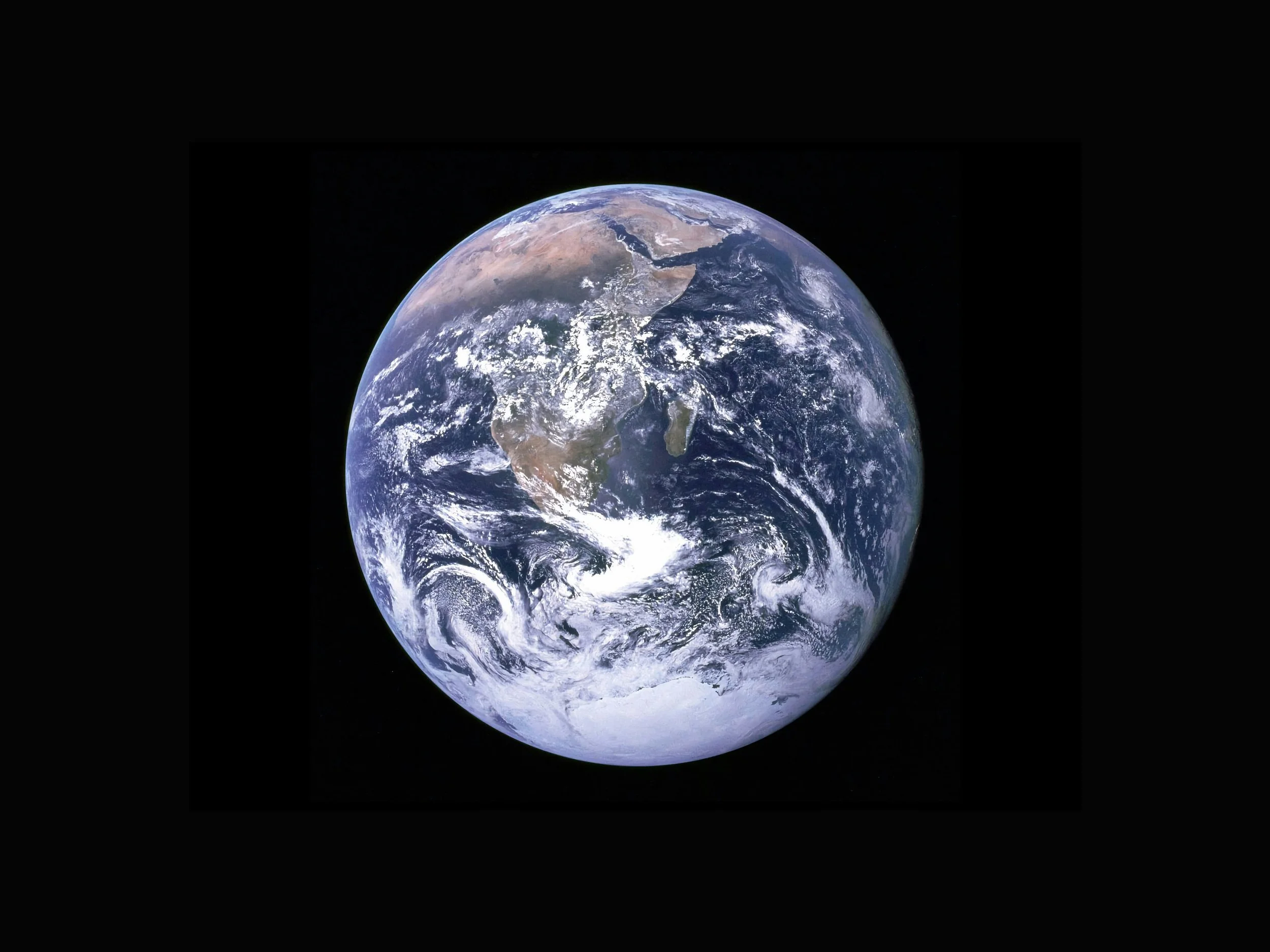
Planet Earth, Photo by NASA on Unsplash
The first Earth Day was celebrated on April 22, 1970, only a few weeks before I graduated from high school. Reportedly, twenty million people in the United States protested the deterioration of our environment that day. I don’t recall this first Earth Day, perhaps because it was overwhelmed by another event that occurred twelve days later, the killing of four Kent State University students by National Guard on May 4, 1970. The students were protesting the US invasion of Cambodia, announced by President Richard Nixon a few days earlier, on April 30.
Although differing in motive and outcome, the two protests, one manifested in Earth Day and the other responding to US government actions, are related by more than proximity in time. Both events call attention to the massive and continuing failure to respect, honor, love, and value life—human life, the life of nature and all species, and the life of our planet.
Thoreau and Nature
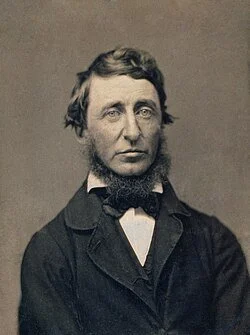
Henry David Thoreau, 1856
While I’ve pondered the enduring promise of Earth Day, I’ve been watching Ken Burns’ documentary Henry David Thoreau, which aired on PBS stations March 30 and March 31, 2026, and is now available for streaming. Revisiting Thoreau’s life and writings took me back to my past, when I studied Thoreau decades ago in a course in American Romanticism at NC State University. Taught by Dr. Harry West, whom I imagine as a spiritual protégé of Thoreau, the course was life changing for me. Thoreau’s writings affirmed my own retreat to nature and primed my desire to transcend time and matter, “to see into the life of things,” to quote Wordsworth, whose poetry influenced Thoreau. As I have discussed here, my ability to escape time and matter is fleeting, as was Thoreau’s during his lifetime. Still, his words proclaim the need to know and honor nature and to acknowledge humanity’s connection to it. His vision continues to ring true, despite so many who treat the natural world as separate, exploitable, expendable, and destructible without consequences.
Let us celebrate Earth Day, Thoreau, and Nature!
